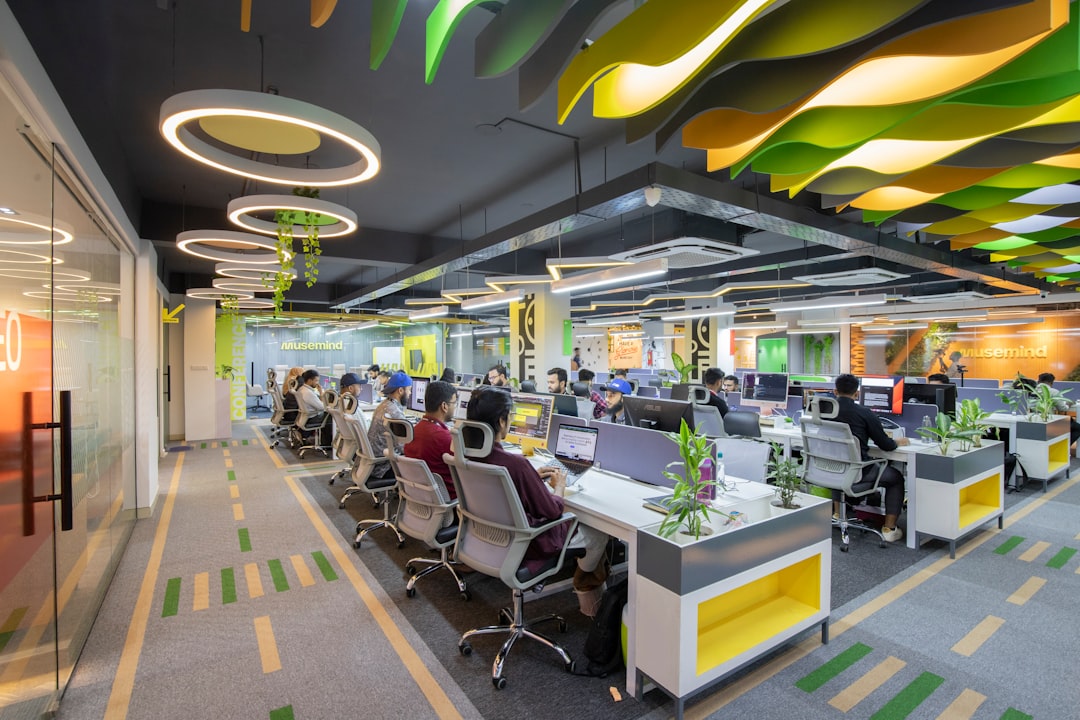
Photograph: Sandy Galabada / Unsplash
The situation
MAS Holdings, a leading apparel and textile manufacturer headquartered in Colombo, Sri Lanka, operates 53 manufacturing facilities across 16 countries and employs over 99,000 people globally. The company generates annual revenue of $2 billion. Despite its scale and market position, MAS Holdings faced operational constraints stemming from manual processes that limited growth and hindered productivity across the organisation.
The company recognised that to maintain competitiveness in the global apparel and textile sector, it needed to fundamentally improve operational efficiency. Manual workflows were consuming resources and creating bottlenecks that prevented the organisation from scaling effectively. Leadership identified automation as a strategic lever to address these challenges.
The approach
MAS Holdings partnered with UiPath, a robotic process automation (RPA) platform provider, to systematically automate manual workflows across the organisation. The partnership focused on identifying and automating processes that were labour-intensive, repetitive, and suitable for automation technology.
The implementation began with a measured deployment strategy. MAS Holdings deployed 10 UiPath robots in production, with plans to expand to 25 robots in subsequent phases. This phased approach allowed the company to validate automation outcomes, refine processes, and build internal capability before scaling further.
What happened
The automation programme delivered measurable results. MAS Holdings successfully automated 52 processes using the UiPath platform. The initiative generated substantial time savings: the company achieved 14,000 workdays saved annually through these automated processes.
UiPath helped the company automate 52 processes, driving key business outcomes around productivity, efficiency and cost savings.
The deployment of robots in production environments enabled the company to redirect human effort from routine, manual tasks toward higher-value activities. The scale of time savings—14,000 workdays per year—represents a significant reduction in labour hours previously consumed by manual process execution across the 53 manufacturing facilities.
The takeaway
The MAS Holdings case demonstrates that systematic automation of manual processes can deliver substantial operational improvements in large-scale manufacturing environments. The company's ability to save 14,000 workdays annually while maintaining operations across 16 countries illustrates the tangible impact of robotic process automation on productivity and efficiency metrics.
For manufacturers facing similar operational constraints, the MAS Holdings experience suggests that identifying and automating repetitive, labour-intensive processes can free organisational capacity and improve competitiveness. The phased deployment approach—beginning with 10 robots and planning expansion to 25—also indicates that automation need not be implemented as a single, large-scale transformation. Measured rollout allows organisations to validate outcomes and build internal expertise before broader scaling.
In competitive global markets where operational efficiency directly affects margins and growth capacity, automation investments that deliver measurable time and cost savings represent a strategic tool for manufacturers seeking to enhance their market position.
- Implemented 52 automated processes using UiPath
- Saved 14,000 workdays annually
- Operates 53 manufacturing facilities across 16 countries
- Employs over 99,000 people globally
- Annual revenue of $2 billion